Fix More, Waste Less: Powering Repair Across the UK

Join a practical journey through the Right to Repair policy in the UK and the energizing role of community repair events that bring neighbors, tools, and knowledge together. We explore what the rules cover, why gatherings matter, and how everyday people extend product lifespans, save money, and cut waste while building resilient, caring communities.

Covered Product Categories Today

Current UK measures largely focus on larger household appliances and some consumer electronics like televisions and monitors, where spare parts availability and design-for-disassembly can make a tangible, immediate difference. While not universal, these regulations send a clear market signal: durability, reparability, and transparency are no longer optional extras but essential expectations shaping purchasing decisions and manufacturer responsibilities.

Spare Parts, Documentation, and Design for Disassembly

Manufacturers are expected to make certain parts and repair information available for several years after a product stops being sold, especially to qualified repairers. Design considerations, such as access with common tools and responsible labeling, enable more effective servicing. These steps, coupled with safer repair protocols, help reduce waste, cut lifecycle emissions, and keep essential goods useful for families and communities longer.

Neighbors, Skills, and Second Chances

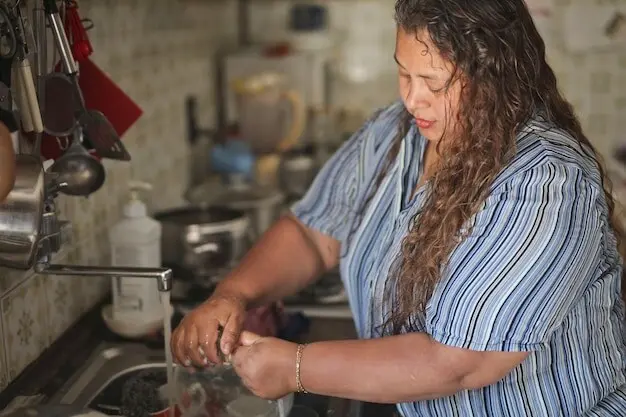
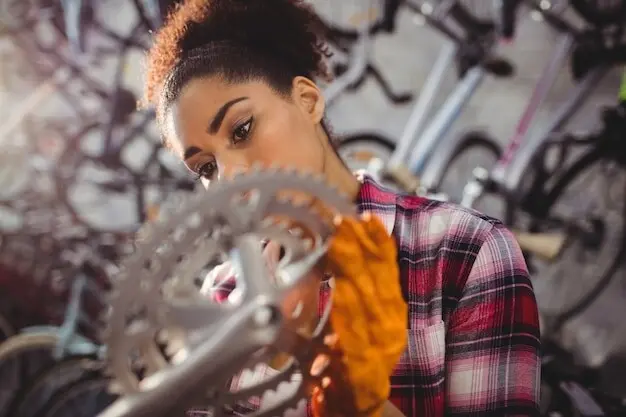
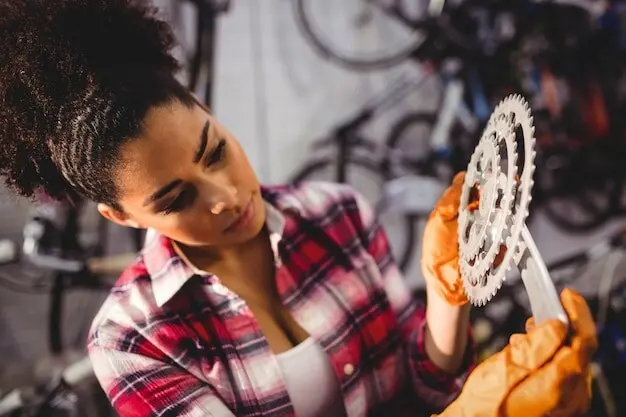
Community repair events transform policy into lived experience by pairing patient volunteers with curious owners, careful diagnostics, and shared learning. People leave with revived gadgets, safer appliances, and confidence to maintain what they already own. The atmosphere is welcoming, practical, and empowering, with stories that spread far beyond a village hall, proving repair is social infrastructure as much as technical practice.

From Idea to Buzzing Repair Table

Launching a local event is achievable with a small team, a modest venue, and thoughtful processes. You do not need every tool on day one; you need clear intake forms, safe workflows, reliable signage, and patient communication. Partnerships with libraries, councils, or community centers open doors, while consistent scheduling and storytelling build momentum that outlasts the novelty of a first gathering.

Finding a Venue, Partners, and Volunteers

Start with a trusted space—library, church hall, or community center—where people already feel welcome. Invite local tinkerers, retirees with trade experience, and curious learners to volunteer. Partner with councils, repair networks, and reuse charities for visibility, safety guidance, and spare parts donations. Keep sessions short, focused, and friendly, celebrating each repaired item to retain volunteers and grow community pride.

Triage, Intake Forms, and Parts Boxes

Simple check-in forms capture symptoms, safety notes, and consent for a non-commercial attempt. A triage table sorts items by category and risk, matching owners with the right skills. Organized parts boxes—fuses, cables, switches, screws, glues—dramatically speed results. Record outcomes, photos, and lessons learned, then feed them back into training so each event is smoother, safer, and more impactful.


Inclusive Outreach and Accessibility

Use plain language, large signage, and step-free access where possible. Offer quiet waiting spaces and clear estimates of time. Translate flyers, partner with local support groups, and schedule sessions that fit shift workers and caregivers. Accessibility is not a bonus; it is core to fairness, ensuring confidence-building repair reaches people who benefit most from affordable, durable everyday essentials.

Where Policy Could Go Next

Momentum is building for broader access to parts, manuals, and diagnostics, alongside reasonable software support that keeps devices usable longer. Policymakers can strengthen consumer access, encourage standardization of fast-wearing components, and incentivize modular design. Community data from real repairs helps identify failure points, inform realistic timelines, and align incentives so durability and affordability drive innovation rather than being sidelined by planned obsolescence.

The Numbers Behind a Second Life

Repair is not only emotional; it is economic and environmental. Extending a product’s life defers the cost and carbon of manufacturing a replacement. Even when a repair fails, diagnostics can reveal better maintenance habits or safer disposal routes. By tracking parts, time, and outcomes, communities learn where investment saves the most money, emissions, and frustration across real households and businesses.

Safety First: PAT, ESD, and Common-Sense Protocols

Establish non-negotiables: unplug before opening, isolate capacitors, use earth leakage tests, and document outcomes. Antistatic practices protect delicate electronics, while appropriate PPE, isolation transformers, and insulated tools prevent incidents. Check cables, inspect plugs, and label risks. A calm, systematic approach reassures owners, preserves trust, and allows learning to happen without shortcuts that endanger people or damage cherished items.

Mentoring New Fixers and Documenting Knowledge

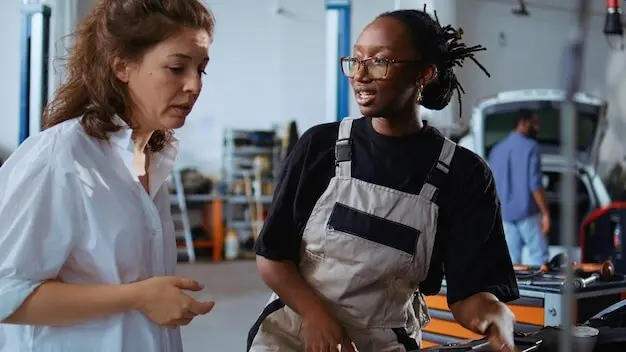
Pair beginners with patient mentors, explaining each diagnostic step and why it matters. Encourage note-taking, teardown photos, and shared repair logs that capture recurring faults and workable hacks. Over time, this living library becomes a local treasure, shortening future repairs, demystifying electronics for newcomers, and ensuring valuable know-how survives volunteer turnover and the rapid churn of product designs.

Repairs That Changed Minds

Stories open hearts to practical change. Seeing a phone revived with a fresh battery, a radio singing again after a careful recap, or a vacuum restored with a two-pound belt reframes what is possible. These small victories build belief that repair is normal, dignified, and smart, inviting everyone to contribute their patience, curiosity, and care to community resilience.

Join the Momentum Today

Whether you are curious, cautious, or already carrying a toolkit, there is a role for you. Bring a device, host a table, share data with policymakers, or donate spares. Subscribe for guides, reply with your questions, and tell us what you want fixed next. Together, we can turn policy into practice and everyday waste into shared wins.
Fexodavodariteli
Privacy Overview

This website uses cookies so that we can provide you with the best user experience possible. Cookie information is stored in your browser and performs functions such as recognising you when you return to our website and helping our team to understand which sections of the website you find most interesting and useful.